


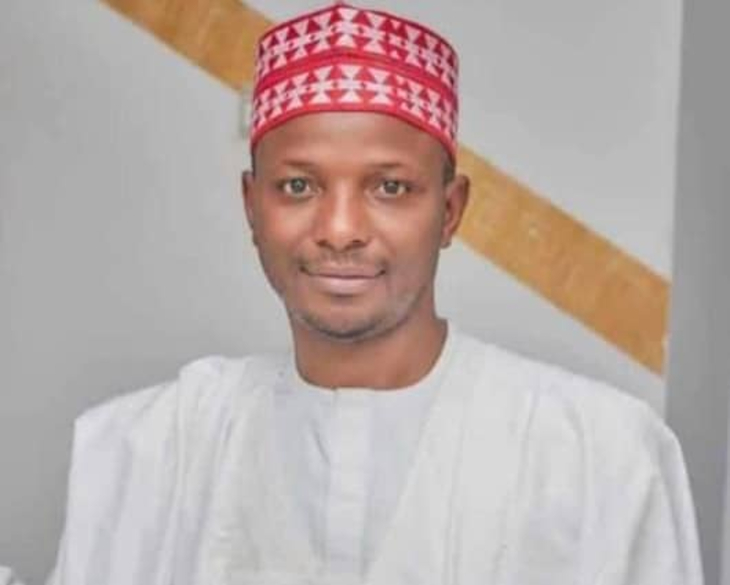
The Kwankwasiyya Movement has defended the Mustapha Kwankwaso selection as deputy governorship candidate, stressing it was Aminu Abdussalam Gwarzo’s personal choice after proper grassroots consultations, not nepotism
In Kano, Nigeria, on Wednesday 18 June 2026, the Kwankwasiyya Movement firmly defended the selection of Mustapha Kwankwaso as the Nigeria Democratic Congress deputy governorship candidate, insisting the decision rested solely with the party’s governorship candidate, Aminu Abdussalam Gwarzo.
Also read: APC Reassures Supporters After Adamu’s Defection
Habeeb Saleh Mohammed, spokesperson for the Kwankwasiyya Movement, made the position clear in an exclusive interview with Daily Post. He dismissed criticisms, particularly from the All Progressives Congress, as politically motivated and based on misunderstanding.
“First, I will not have wanted to react to the reaction of APC or anybody from APC on issues regarding the choice of the deputy governor here in Kano,” Mohammed said. “Because whoever we choose, they will end up having one or two things to say. That is normal in politics.”
Mustapha Kwankwaso, the first son of NDC vice-presidential candidate Rabiu Musa Kwankwaso and a former Commissioner for Youths and Sports Development under Governor Abba Kabir Yusuf, was announced as Gwarzo’s running mate on Monday.

The move has triggered mixed reactions, with some hailing it as a bold youth inclusion step and others alleging proxy control.
Mohammed provided detailed background to counter the nepotism narrative.
He explained that the NDC had initially approached Rabiu Musa Kwankwaso to join the party in Kano but he had already committed to the African Democratic Congress.
When the party suggested fielding Mustapha as governor instead, the elder Kwankwaso declined, refusing to split his family across parties.
Later political realignments, including challenges within the ADC, opened the door for collaboration with the NDC and Peter Obi.
Mohammed emphasised that Mustapha’s emergence followed a structured grassroots-driven process rather than top-down imposition.
“Our national leader made it very clear that tickets are not given at the centre. All aspirants were asked to go back to their local governments, meet stakeholders, and be screened,” he said. Those who bypassed this route and lobbied centrally failed to secure nominations.
After Gwarzo emerged as the governorship candidate, he exercised his constitutional right to choose his running mate.
Mohammed revealed that Rabiu Musa Kwankwaso initially opposed his son’s candidacy, but Gwarzo personally convinced him after extensive consultations.
“It was Gwarzo who did the convincing and made it clear that this is the person he wants to work with. At that point, there was nothing anyone could do but accept,” Mohammed added.
Gwarzo reportedly cited Mustapha’s track record in youth development, his business experience, and the need for fresh ideas alongside seasoned leadership.
The selection was eventually presented to and endorsed by stakeholders.
The development reflects the fluid nature of opposition politics in Kano ahead of the 2027 elections, where alliances continue to shift.
While critics see family influence, supporters view it as a pragmatic choice that strengthens youth representation and maintains the movement’s strong grassroots base.
Also read: Kingibe Denies Seeing Natasha Suspension Report
The Kwankwasiyya Movement maintains that the process demonstrated internal democracy and that Mustapha was chosen on merit to help deliver effective governance in Kano.


