


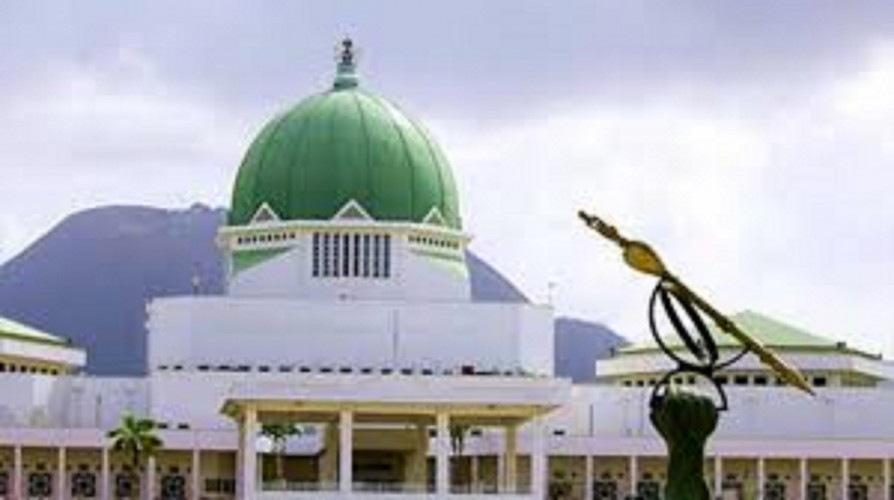
Nigeria’s Women Reserved Seats Bill faces critical National Assembly vote; advocates warn failure could cost $269B and deepen democratic deficit
As the National Assembly nears a decisive vote, Nigeria’s Women Reserved Seats Bill has become a defining test of political courage, with advocates warning that failure could cost the country a projected $269 billion in economic gains.
Also read: Gambari Criticises Nigeria’s Leadership System, Highlights Gender Gap
The legislation, now at the third reading stage, proposes 74 additional seats in the National Assembly and 108 in State Houses of Assembly, to be filled through competitive elections among female candidates nominated by political parties.
Proponents emphasise that the bill guarantees no appointments or tokenism, but aims to remove entrenched barriers preventing women from participating in politics.

Chief Osasu Igbinedion-Ogwuche, CEO of TOS Group and convener of the coalition behind the bill, said: “If this bill does not scale through in February 2026, it cannot be operationalised for the 2027 general elections. We would effectively sideline 50 per cent of Nigeria’s population for another four years.”
Nigeria currently ranks last in Africa for female parliamentary representation, with women holding just 4 per cent of federal legislative seats and 51 of 993 state-level positions.
In 16 states, women hold no seats at all.
Comparatively, Rwanda’s quota system has pushed female representation above 60 per cent.
Advocates argue that inclusive governance strengthens economic outcomes, improves social policy, reduces corruption, and boosts national competitiveness.
Studies cited include reports by the World Bank, United Nations, McKinsey, and the Mastercard Foundation, which collectively estimate that increasing female participation could add hundreds of billions to GDP across Nigeria and Africa.
The coalition behind the bill has engaged extensively with lawmakers, religious leaders, and political stakeholders.
Notably, the Sultan of Sokoto endorsed the bill, highlighting women’s historical leadership roles in Islamic societies.
Political endorsements followed, including public support from the President, the Senate President, the Speaker of the House, and multiple governors’ spouses.
To maintain accountability, the coalition launched the 469 Tracker, a tool recording legislators’ positions on the bill.
Proponents are also mobilising the media and constituents to reinforce public pressure ahead of the vote.
Time is critical.
Constitutional amendments require passage by the National Assembly and ratification by two-thirds of State Houses of Assembly before the 2027 elections.
Delays could push implementation to 2031, stalling decades of advocacy.
Advocates continue to pressure lawmakers as legislative priorities, including the 2026 budget and amendments to the 2022 Electoral Act, compete for parliamentary attention.
Also read: The Gun Hegemony Explores Military Rule’s Legacy in Nigeria
The outcome of this vote will signal whether Nigeria is prepared to translate gender justice into tangible legislative action or repeat its history of systemic exclusion.


