


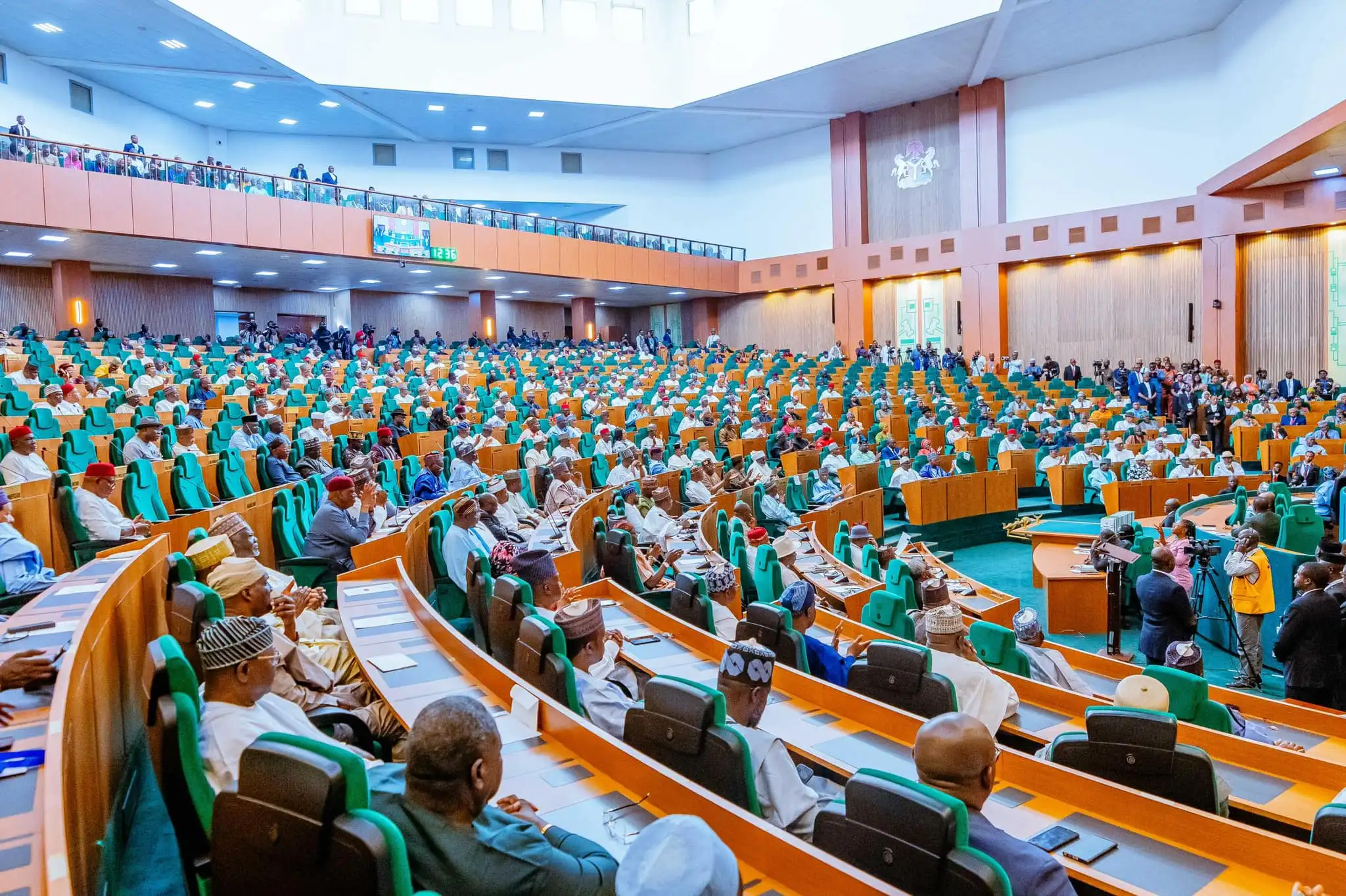
Reps Committee on Anti-Corruption pledges stronger reforms to empower Nigerian youths and strengthen transparency
The House of Representatives Committee on Anti-Corruption has restated its commitment to pursuing legislative reforms that will strengthen the ability of Nigerian youths to meaningfully contribute to national development.
Also read: Nigerian House of Reps Urges Urgent Action on Rising Insecurity
Chairman of the Committee, Moshood Akiolu, made the pledge on Wednesday at an event commemorating the 2025 International Anti-Corruption Day in Abuja.
He said the 10th House, led by Speaker Tajudeen Abbas, is intensifying efforts to deepen transparency, fortify legal institutions, and broaden civic education programmes that equip young people with the tools to identify, resist, and report corrupt practices.
According to him, “The House is working to enhance transparency, strengthen legal frameworks, and support civic education that equips young people with the knowledge and tools to resist and report corruption.”

Akiolu described corruption as a long-standing obstacle to the development of genuine democratic culture, adding that building the capacity of young Nigerians is essential to changing the country’s governance trajectory.
Also speaking, Chairman of the Independent Corrupt Practices and Other Related Offences Commission (ICPC), Musa Aliyu, represented by Assistant Director Suleiman Achile, said corruption remains one of the most damaging threats to Nigeria’s development and social justice.
“Corruption remains one of the greatest threats to development and social justice. It erodes public trust, diverts resources from essential services, and undermines opportunities for young people,” he said.
Chairman of the Code of Conduct Tribunal (CCT), Mainasara Kogo, urged young Nigerians to continuously build relevant skills, noting that academic degrees alone are no longer sufficient in today’s technology-driven economy.
“If we can bridge that missing link, our future leaders will know that they are not the future leaders of Nigeria alone but future leaders of the world,” he added.
Nigeria’s youth population—one of the largest globally—continues to face entrenched barriers, including high unemployment, limited access to quality technical training, and inadequate representation in governance. Despite multiple policy documents promising empowerment, implementation has been inconsistent.
Systemic corruption further compounds these challenges by diverting resources meant for education, skills development, and social programmes.
As a result, initiatives targeting youth innovation, entrepreneurship, and civic participation often fail to deliver expected outcomes.
The concerns raised at the International Anti-Corruption Day event mirror growing national pressure for reforms that translate political commitments into measurable benefits for young people.
Also read: House of Reps Seeks N350m to Revive Moribund Industries
Meanwhile, the renewed assurances from the House Committee come at a time many Nigerians are demanding stronger accountability mechanisms across all levels of government.


